 Available 24/7
In most chain-reaction car accidents, the driver who caused the initial rear impact is usually at fault. Drivers in the middle who get pushed forward often aren’t liable for hitting the car ahead of them, since they had no control over it. Idaho law allows you to recover compensation as long as you weren’t primarily responsible for the crash yourself.
In this article, our Idaho car accident attorneys explain how fault gets determined in a multi-vehicle pileup, what makes these cases more legally complex than a standard two-car collision, and what steps you can take right now to protect your right to compensation.
Determining Fault in an Idaho Multi-Vehicle Pileup
Determining who is at fault in a chain reaction car accident is one of the most important steps in your case. It could come down to a single driver who acted negligently, or it could involve multiple contributing factors, including poor road conditions and bad weather. Rather than treating the whole pileup as a single crash, investigators typically look at each collision separately, since the driver who caused one impact isn’t necessarily responsible for what happened further down the chain.
Once each driver’s role in the crash is established, Idaho’s comparative negligence laws determine how that fault affects your case. Under Idaho Statutes § 6-801, the court weighs each driver’s share of responsibility, and you can still recover compensation as long as your own fault stays below 50 percent. If you’re found to be 50 percent or more responsible, Idaho law bars you from recovering anything, no matter how serious your injuries are.
Since the degree of fault can mean the difference between a fair settlement and no recovery at all, how that fault gets established matters. Insurers and lawyers determine fault from tangible the evidence gathered at the accident scene, including:
- Police reports and citations issued at the scene
- Statements from witnesses who saw how the crash unfolded
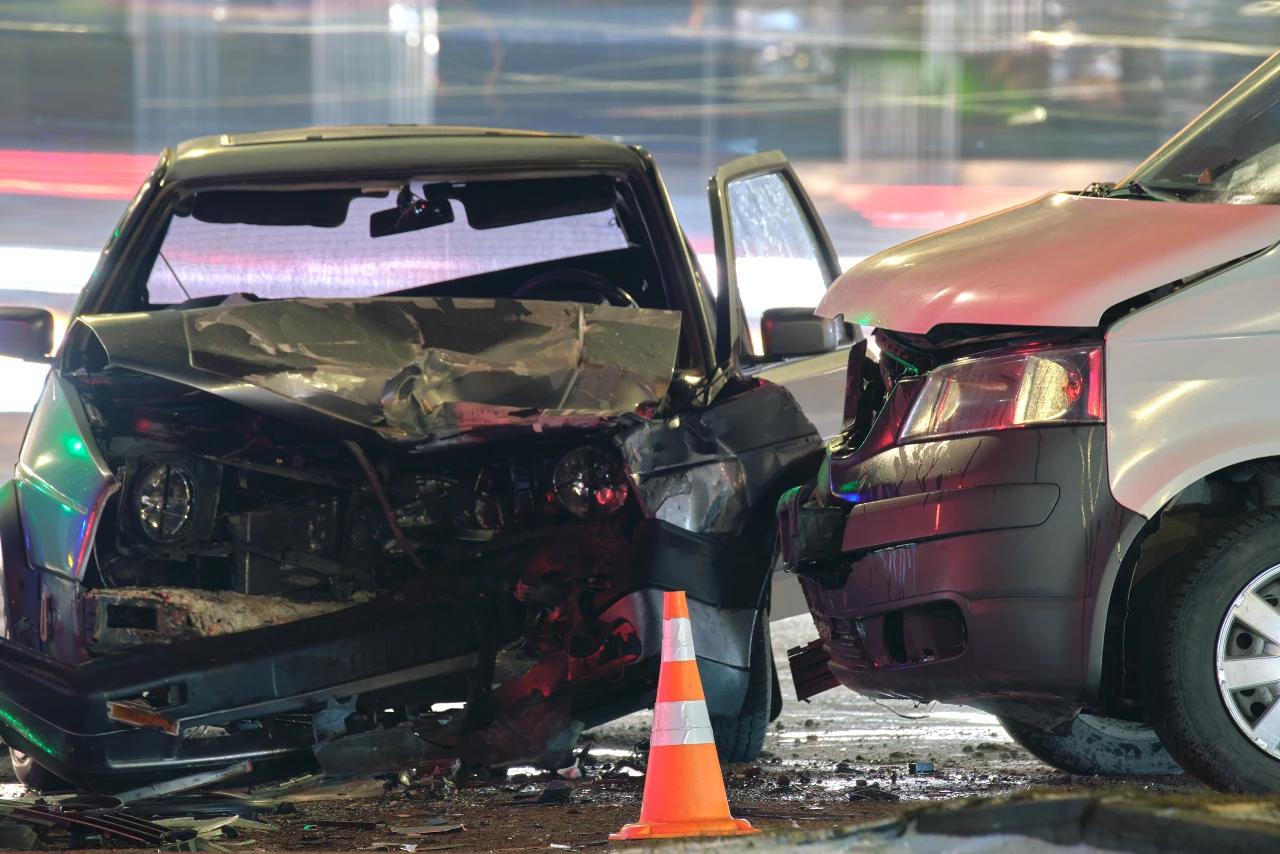
- Vehicle damage patterns showing the order and direction of impacts
- Skid marks, debris fields, and road conditions at the time of the crash
- Traffic or security camera footage from nearby businesses or intersections
- Photos and video taken by drivers or bystanders immediately after the crash
- Event data recorder (“black box”) data showing a driver’s speed and braking before impact
- Cell phone records showing whether a driver was distracted at the time of the crash
- Toxicology or field sobriety test results, if impairment is suspected
- Medical records connecting specific injuries to specific collisions, which can help determine how fault should be divided among multiple drivers
- Accident reconstruction analysis to establish the exact sequence of impacts
Comparative negligence laws can be difficult to untangle, especially when several vehicles and drivers are involved in a single crash. Our personal injury lawyers weigh each piece of evidence against the others to determine how fault should be divided among the drivers involved.

If you’ve been injured or a loved one has been killed through an act of negligence, you need the highest level of legal representation.
Schedule a Free ConsultationWhy These Cases Are More Legally Complex in Idaho
Often, chain reaction car accidents are caused by a single negligent driver. However, several factors can lead to them, with each driver contributing to the pileup in different ways. Untangling that sequence is far more complicated than a standard two-car crash, where liability usually rests with one driver.
Insurers Will Protect Their Interests
Typically, there are many victims. Drivers and passengers alike are hurt across several vehicles, but each vehicle carries its own insurance policy, and each insurer wants to minimize what it pays. Policy limits often aren’t enough to cover every victim. When that happens, disputes over dividing limited funds can drag a case out long after fault is settled.
How Idaho’s Individual Rule Applies
Idaho law adds another layer of complexity when more than one driver shares the blame. Under Idaho’s “individual rule,” your fault is compared separately against each defendant’s fault, rather than against their combined total.
For example, suppose you’re found 35 percent at fault in a three-car pileup. If one driver is found 25 percent at fault and another is found 40 percent at fault, you could pursue compensation from the second driver, since their share of fault exceeds your own, but you would be barred from recovering anything from the first driver, since their share does not.
Factors Affecting Your Claim’s Outcome
Determining fault is greatly influenced by these factors, typically making these cases more legally complicated, including:
- Multiple insurance companies, each representing a different driver, often disputing how much fault their own client should bear
- Policy limits that may not fully cover every injured victim across several vehicles
- Conflicting accounts from drivers and witnesses about how the pileup unfolded
- Idaho’s individual rule, which requires a separate fault comparison against each driver rather than one combined analysis
Because of these layers, chain reaction cases often require more time, more evidence, and more negotiation than a standard accident claim.
Steps to Take to Protect Your Right to Compensation
What you do after a chain reaction accident can affect your case. A few steps make a real difference:
- Call 911 right after the crash: A police report gets created while details are still fresh, and that documentation can become important evidence later.
- Seek medical care as soon as possible: Some injuries do not show symptoms right away, and a medical record ties your injuries directly to the crash.
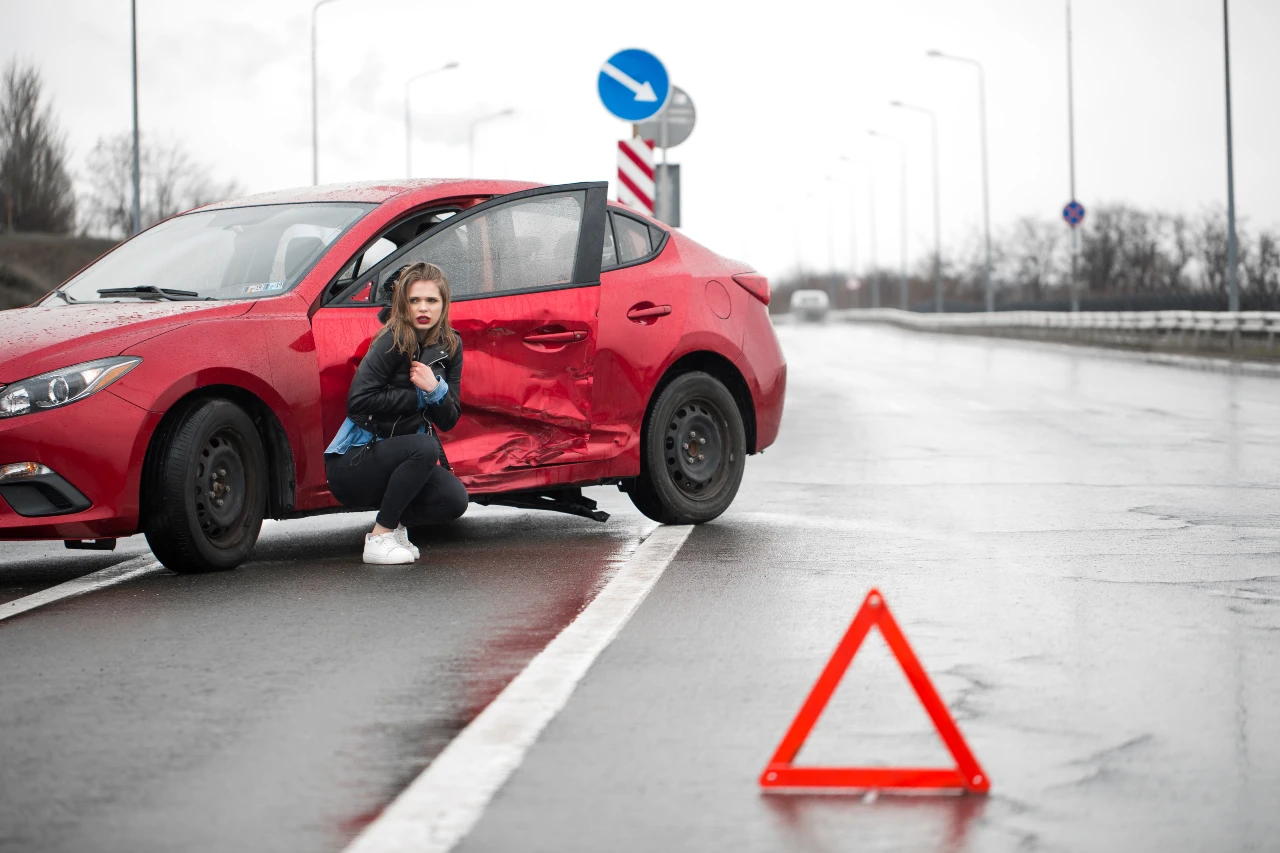
- Take photos of every vehicle involved: These photos help establish how the pileup unfolded and who hit whom.
- Get contact information: Information from every driver and witness at the scene preserves evidence that can be difficult or impossible to track down later.
- Avoid giving a recorded statement: You should speak with our attorneys before any insurance company because insurance adjusters can use your own words to shift blame onto you.
- Keep all your records: Your medical bills, missed work, other expenses, and records form the foundation of what your claim is actually worth.
Acting on these steps early helps preserve the evidence your case will depend on.
Get a free case evaluation
Schedule NowProtecting Your Case Before Time Runs Out
You should also be aware that Idaho law typically gives you two years from the date of the accident to file a personal injury lawsuit. Miss the deadline on the statute of limitations and the Idaho courts will almost certainly dismiss your case. This holds true no matter how strong your evidence is.
Acting early protects more than just your legal rights. Evidence in a chain reaction crash fades fast. Witnesses move away. Vehicle damage gets repaired. Skid marks disappear. The sooner you start building your case, the stronger it will be.
Contact Our Chain Reaction Car Accident Team in Idaho Today
Determining fault following a chain reaction car accident can be very complicated to do on your own. Thankfully, our Idaho law firm is happy to work your case on a contingency basis. We will investigate your accident, determine fault, and deal with the insurers on your behalf. You pay nothing unless we win. If we do not win, you won’t owe Sargent Law Firm Injury Lawyers a single penny. Additionally, we offer free initial consultations, so you have absolutely nothing to lose.
If you have been in an accident, give us a call. A member of our legal team will be glad to speak with you. We are here to help you!